
Vung Tau — Beautiful, Tranquil, Affordable Vietnam

Tucked along a peninsula jutting into the South China Sea, Vung Tau is one of Vietnam’s most underrated expat destinations. Just 125 kilometers southeast of Ho Chi Minh City, this former French colonial resort town has long attracted foreign oil workers, retirees, and remote workers seeking a slower pace without sacrificing coastal beauty. Unlike the tourist frenzy of Da Nang or Hoi An, Vung Tau offers something rarer: a genuine local city with a relaxed beach-town rhythm, where expats can actually *live* rather than just visit. The city’s unique blend of Vietnamese culture, lingering French colonial charm, and a well-established foreign community makes it one of Southeast Asia’s most compelling places to put down roots.
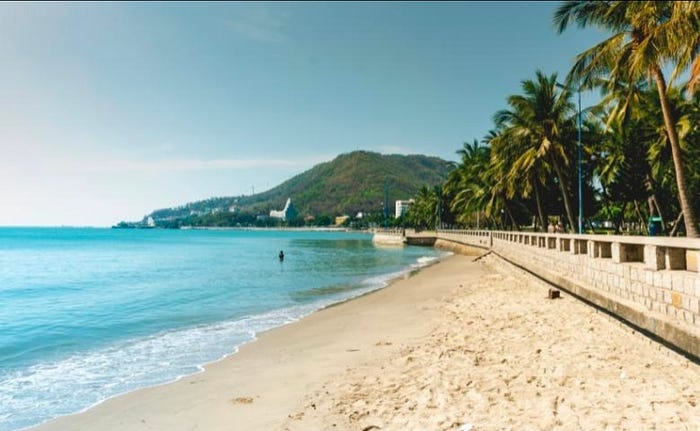
The beaches and natural setting are the headline act. Vung Tau is flanked by several beaches — Front Beach, Back Beach, and the quieter Pineapple Beach — each with its own character. Back Beach stretches for kilometers and is perfect for early morning walks, while the calmer waters near the lighthouse are ideal for swimming. The iconic *Christ the King* statue, visible from much of the city, peers down from the summit of Small Mountain and has become the city’s defining symbol. The surrounding landscape of twin peaks, rocky headlands, and open sea gives Vung Tau a dramatic natural frame that few Vietnamese cities can match. For expats who need nature close at hand, Vung Tau delivers constantly and effortlessly.

The cost of living and expat infrastructure are genuinely impressive. A comfortable one- or two-bedroom apartment with an ocean view can be rented for $400–$700 USD per month, and daily expenses are proportionally low — a full meal at a local restaurant rarely exceeds $3–5. The city has a long history hosting international oil and gas workers, which means there is already a robust network of expat-friendly services: international clinics, English-speaking professionals, foreign supermarkets, and a lively bar and restaurant scene catering to Western tastes. Reliable internet makes remote work viable, and the Ho Chi Minh City connection — via a high-speed ferry or expressway — means access to world-class hospitals, airports, and urban amenities is never more than 90 minutes away.

The food and social scene are quietly excellent. Vung Tau has its own distinct culinary identity within Vietnamese cuisine. The city is famous for *bánh khọt* (crispy coconut rice cakes topped with shrimp), fresh seafood grilled tableside at beachfront restaurants, and some of the best *bánh mì* in the south. The expat social community, while smaller than Saigon’s, is tight-knit and welcoming — weekend beach meetups, sailing clubs, and rooftop sundowners are common social touchstones. There is also a cultural richness rooted in the city’s history: French colonial villas dot the hillsides, Buddhist temples sit quietly near the shore, and the local fishing community gives the city an authentic, unpolished texture that more touristy destinations have long since lost.

Vung Tau is not without its trade-offs. The city’s road traffic — motorbikes weaving at high speed through narrow coastal streets — can be disorienting and genuinely dangerous for newcomers. Air quality is noticeably affected by the city’s industrial port activity, particularly in certain wind conditions. Healthcare, while adequate for routine needs, is limited for complex or specialist treatment, and most serious medical situations require a trip to Ho Chi Minh City. The city also has a weekend surge problem: being the nearest beach escape for 10 million Saigonese means that on Friday evenings and weekends, traffic, hotel prices, and beach crowding spike sharply — testing the patience of residents who live there precisely for tranquility. Language can also be a barrier, as English proficiency outside the expat-service economy remains limited.

Vung Tau is a genuinely rewarding place to live as an expat — particularly for those who prioritize natural beauty, low costs, a manageable city size, and proximity to Vietnam’s largest metropolis. Its beaches, food culture, affordable lifestyle, and established foreign community give it a well-rounded appeal that goes far beyond a simple beach retirement town. The cons — weekend crowding, limited specialist healthcare, traffic, and industrial air quality — are real but manageable for most. For expats who find the chaos of Ho Chi Minh City overwhelming but don’t want to sacrifice convenience entirely, Vung Tau strikes a rare and satisfying balance: coastal ease with urban access, always within reach of the sea.
